Turning Pulp into Progress: Charles Lambert and the “Old Mill”
Charles J. Lambert: Pioneer, Mason, and Visionary

Charles J. Lambert was born in Nauvoo, Illinois, in 1845 and moved with his family to Salt Lake City at the age of two. Known for his tireless work ethic, Lambert became a skilled stone cutter, mason, and farmer, contributing to projects such as the St. George Tabernacle, the railroad, and early papermaking efforts in Salt Lake City.
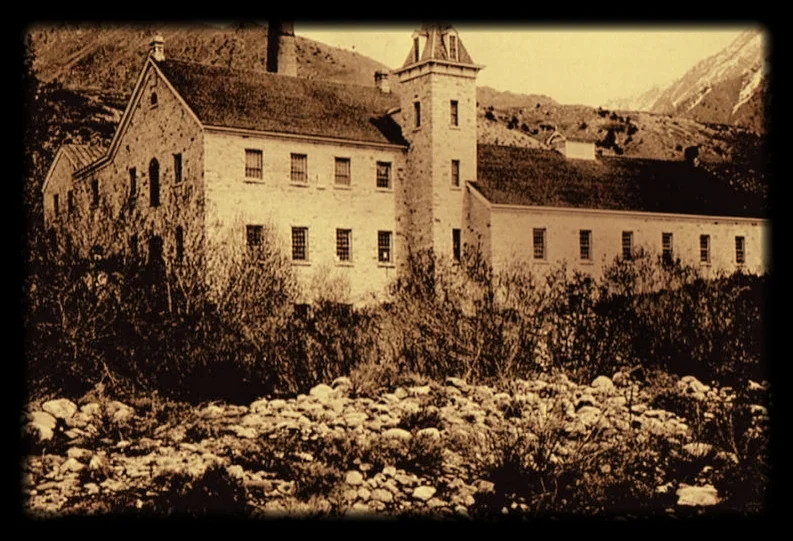
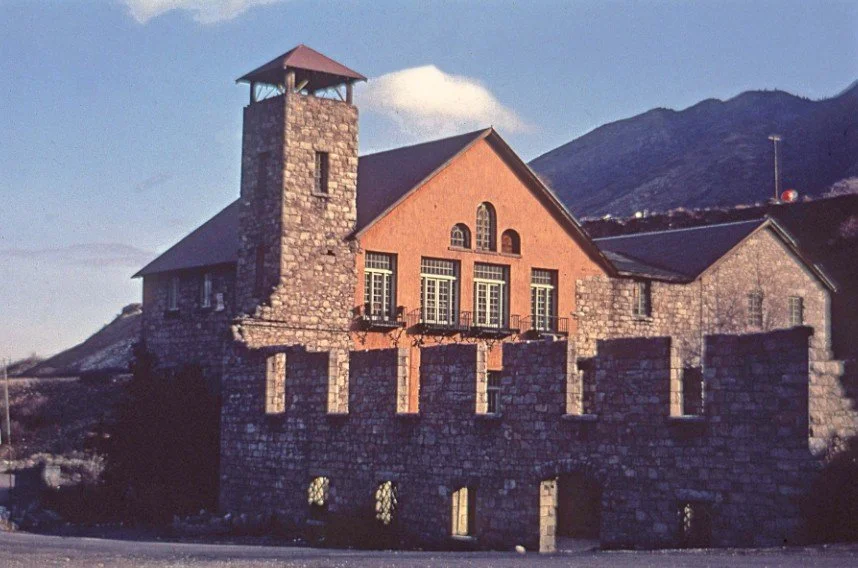
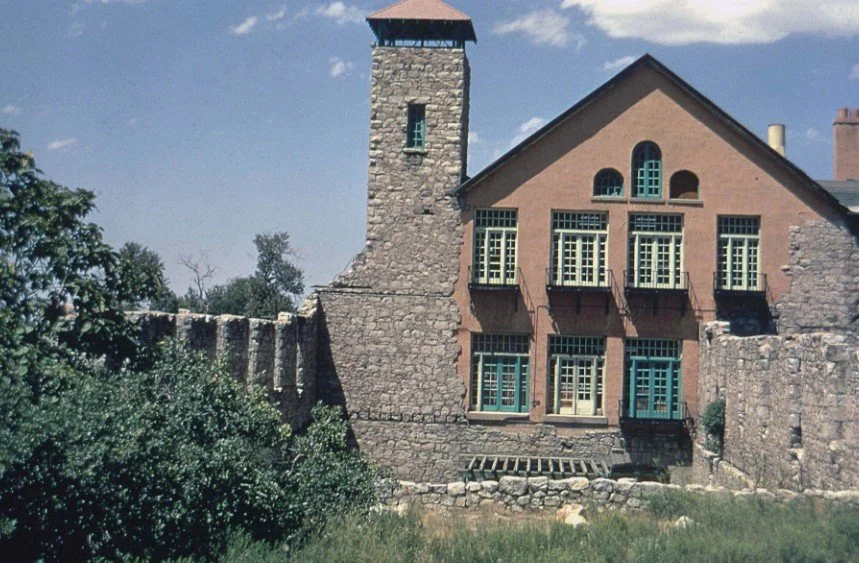
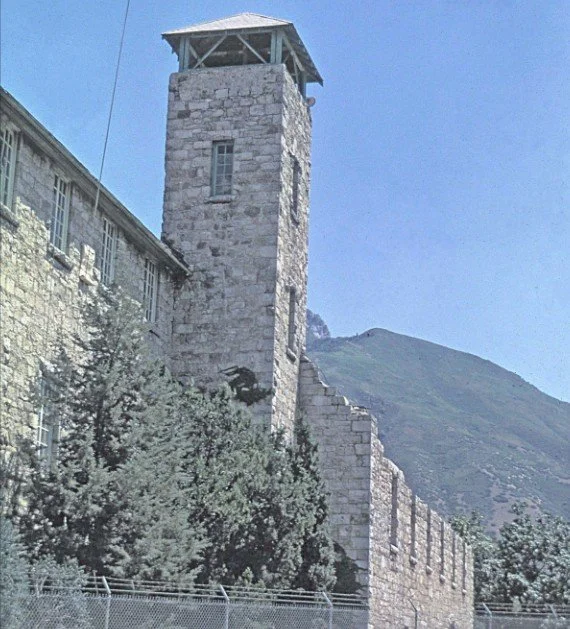
In 1879, Lambert, along with two associates, identified an ideal location at the mouth of Big Cottonwood Canyon for the construction of a new Granite Paper Mill. Seeking the best technology, the trio traveled east to study modern papermaking techniques and acquire equipment. By 1882, the final machinery from the Sugar House Mill was installed at the new facility, which began operations in 1883 under Lambert as plant superintendent. The mill produced up to five tons of paper every 24 hours, using quaking aspen wood and rags as pulp—a dramatic increase over the Sugar House Mill, which produced only 800 pounds per day.

Tragedy struck Lambert in March 1884 when he was kicked in the cheekbone by a horse, leaving him unconscious for several weeks. Though he returned to work at the paper mill, his health eventually declined, forcing him to retire in September 1888.

Lambert then purchased a 40-acre wet, alkali farm in Granger, land previously considered swampy and unproductive. Applying his masonry skills, he designed a new tile drain system, successfully transforming the land into productive farmland. On this reclaimed soil, he grew 75 bushels of oats per acre along with a variety of cereal grains. He married Mary Hovey and Harriet Druce, raising a family while continuing to farm and contribute to the community.
Lambert remained deeply disappointed when, on April 1, 1893, the Granite Paper Mill caught fire. Because the fire occurred on April Fools’ Day, many assumed it was a joke and did not respond in time. The mill was destroyed, never rebuilt, and its machinery repurposed elsewhere. Despite this setback, Charles Lambert’s legacy as a hard-working pioneer, skilled craftsman, and innovative farmer left a lasting mark on Granger and the early industrial history of Utah
Charles was kicked in the cheekbone by a horse March 1884 and lay unconscious for several weeks. He went back to work at the paper-mill but had to retire September 1888 because of his failing health.
He then bought a 40 wet, alkali Farm in Granger. He worked hard to drain the land. Because he was a mason he made a NEW TILE DRAIN system and it worked.
On that swampy, unproductive land he produced 75 bushels of oats per acre. He also grew a variety of cereal grains. He married Mary Hovey and Harriet Druce.
On April First, 1893 the paper-mill caught fire and people thought it was an April Fools joke so they didn't respond to the fire, so the mill was destroyed. He was so disappointed the mill was not rebuilt and the machinery reused.
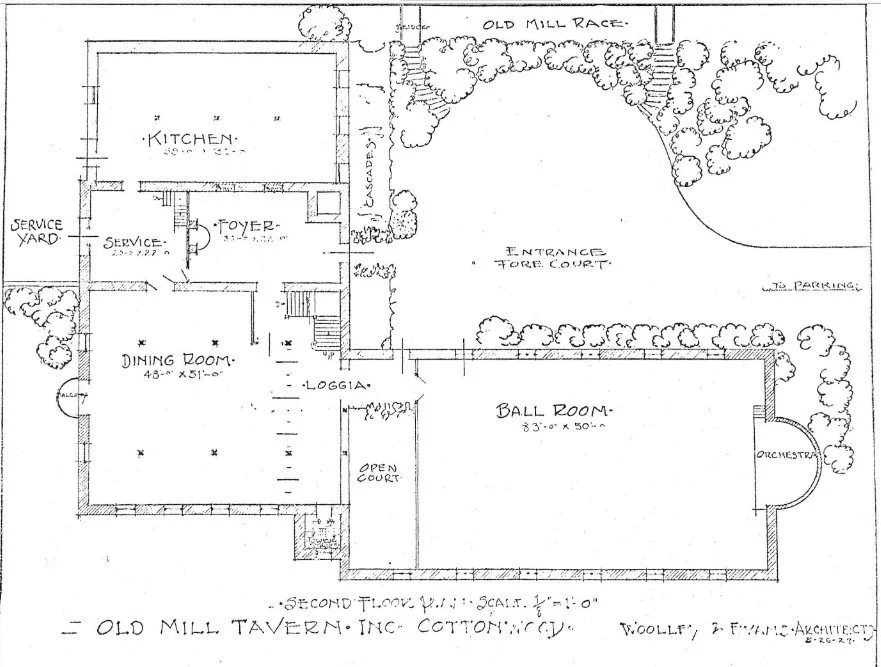
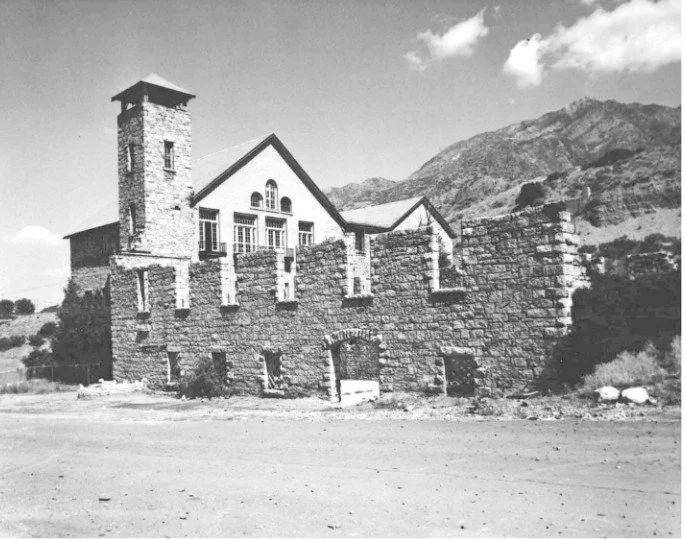
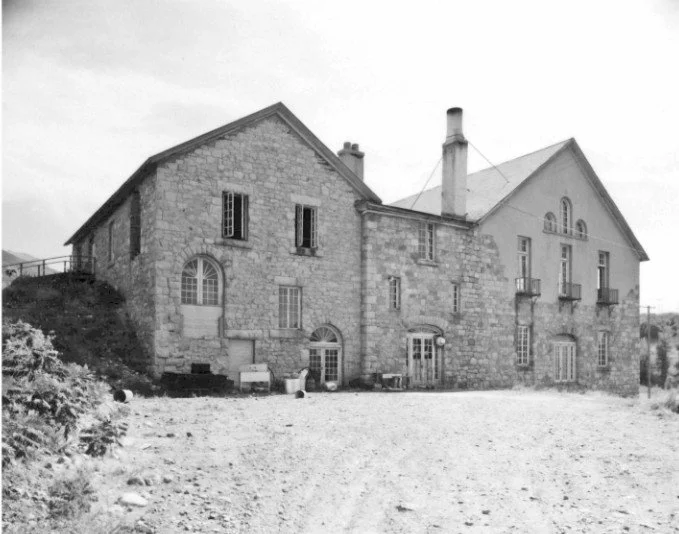
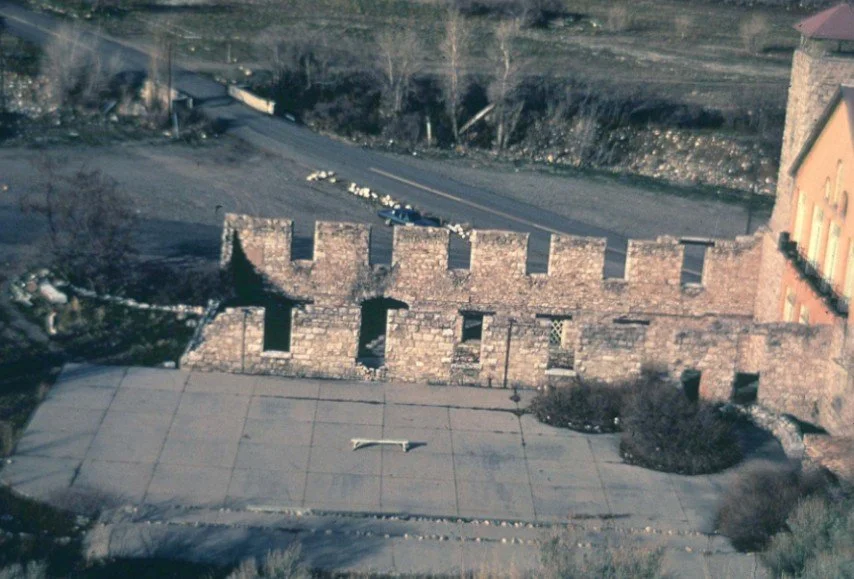
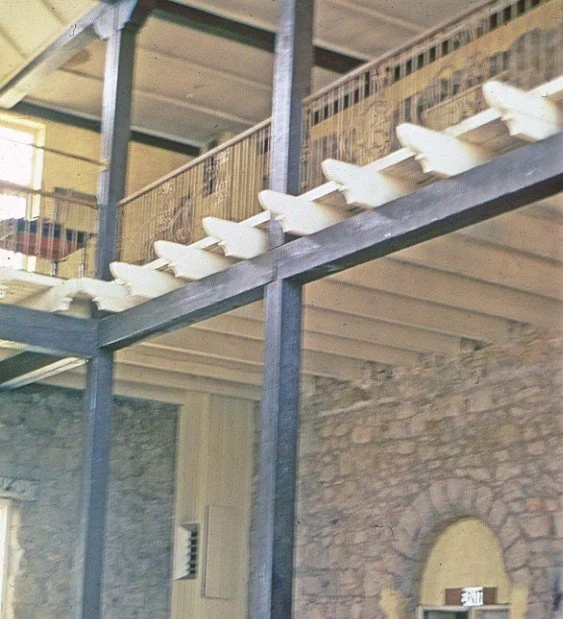
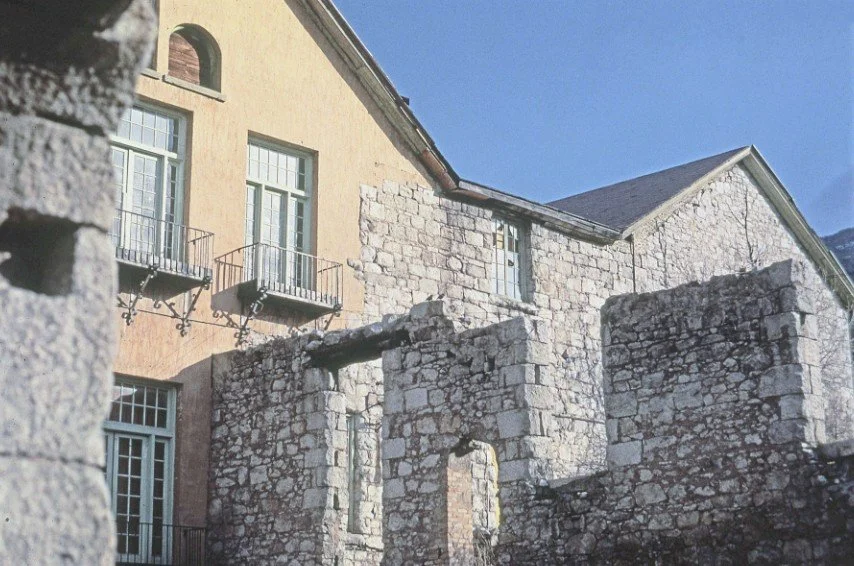
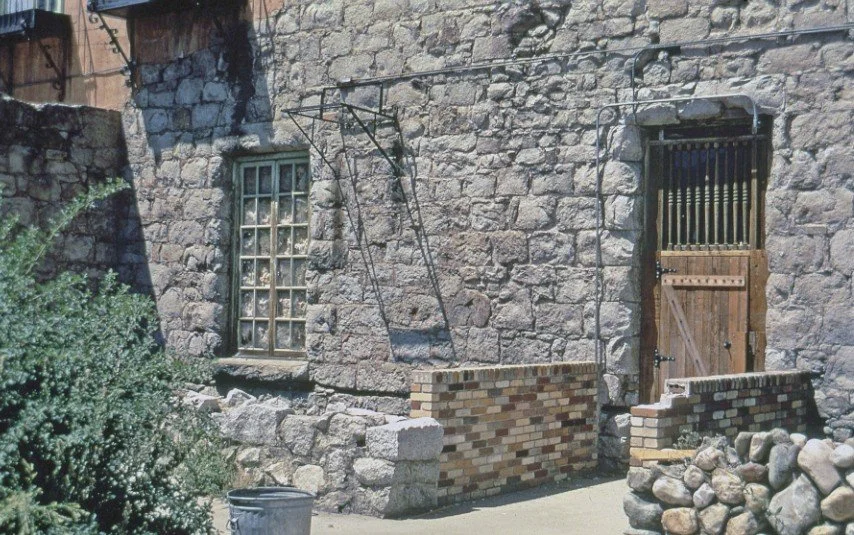
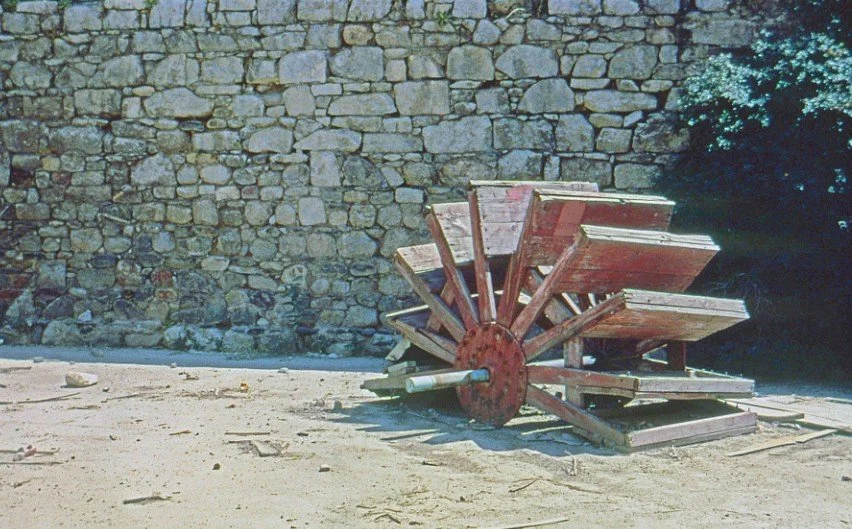
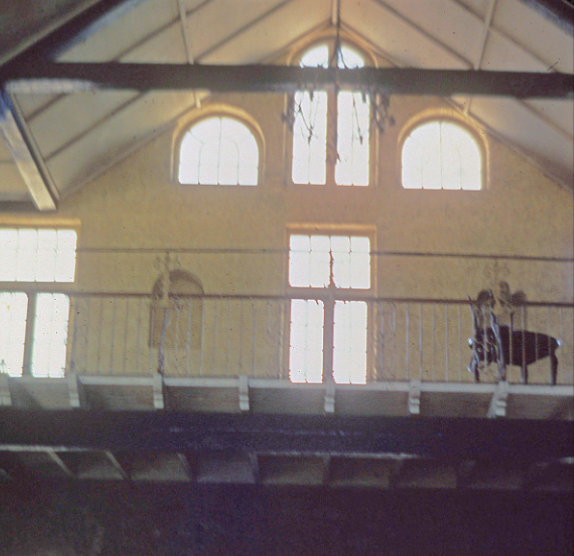
. . . . . Pictures of the historic Old mill. . . . .