The Browns of 7064 West: A Legacy of Service
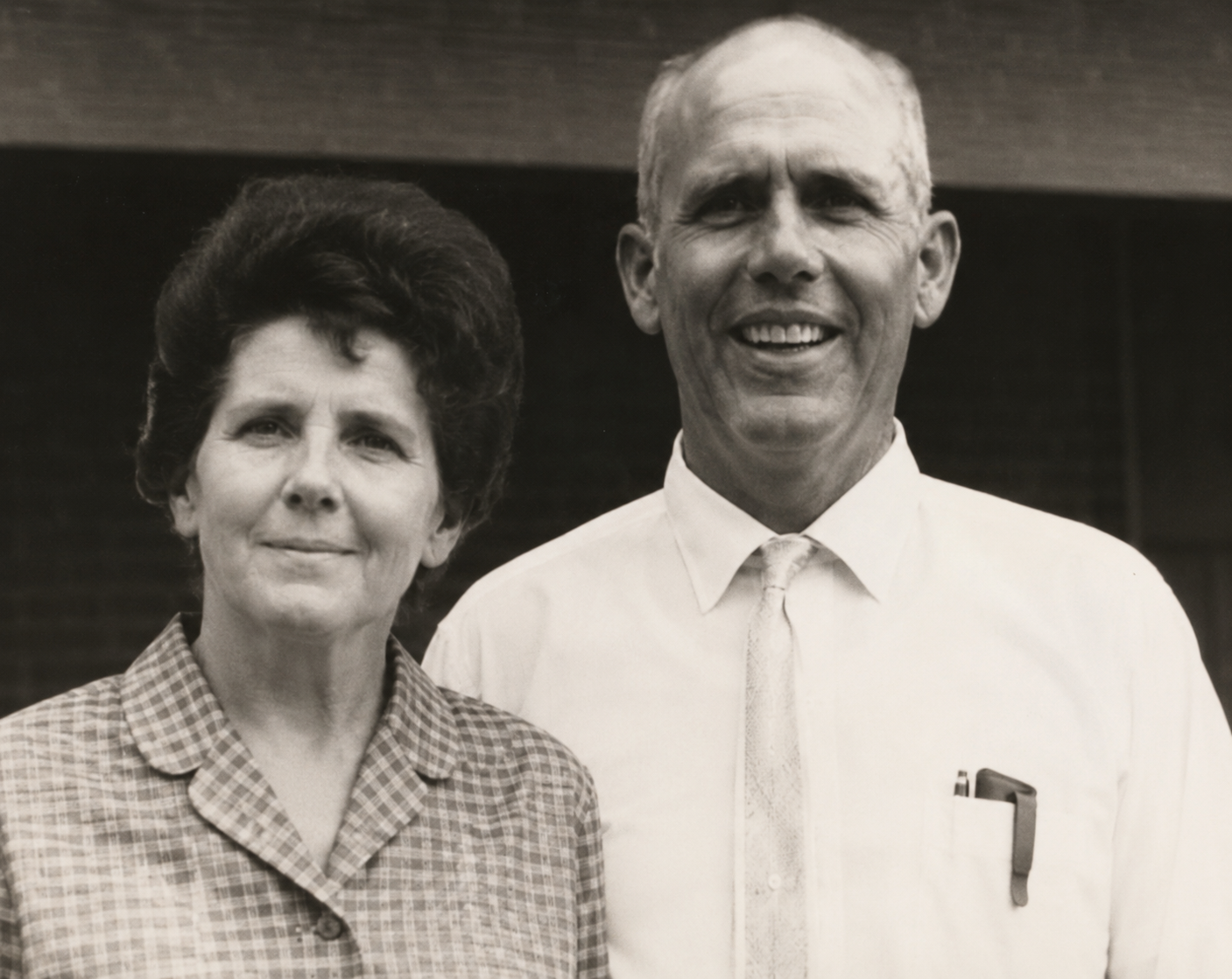
Lewis & Fannie "Lucille" Brown
A Legacy of Kindness, Service, and Quiet Greatness
At 7064 West 3500 South stood a historic home where Lewis Brown (1912–1970) and Lucille Albritton Brown (1912–2002) built a life centered on family, hard work, and helping others. Their story is one of those quiet treasures in our community's history—a reminder that some of the greatest lives are lived not in the spotlight, but through countless acts of kindness.
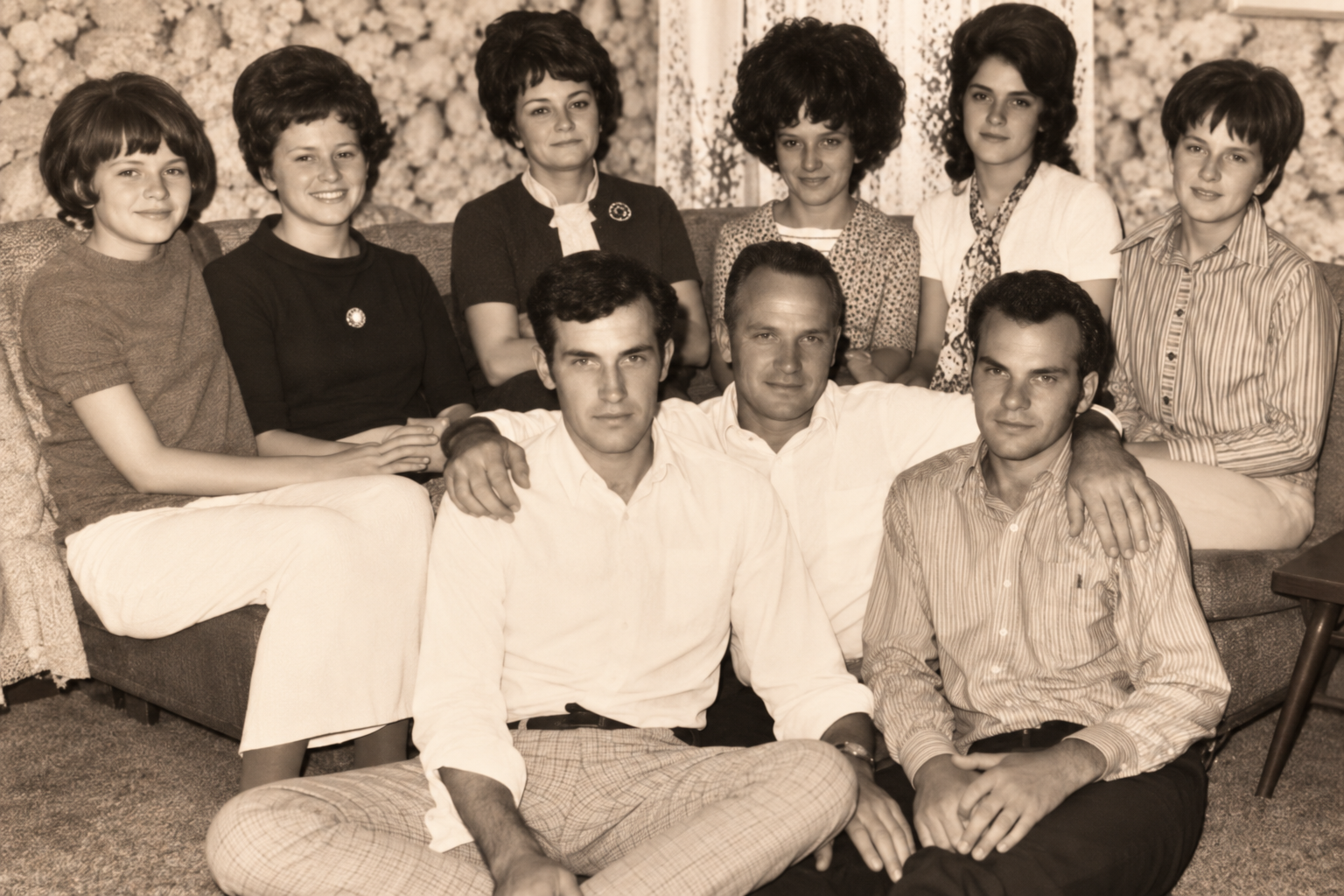
Lewis & Lucille were both born in North Carolina. They married in 1939, and eventually made Utah his home. and together they created a home filled with love and service For many years Lewis worked at the Taylorsville Stake Welfare Farm in Hunter, located only a few blocks from the family's home. The welfare farm was one of the most important community service projects in the Salt Lake Valley during the mid-1900s. With a large dairy operation and agricultural production, it provided food and support to families facing difficult times.
Lewis wasn't simply employed there—he believed in serving others. Friends and family remembered him as a man of honesty, integrity, humility, and compassion. He worked hard, loved deeply, and found joy in helping those around him. His life reflected the belief that caring for your neighbors was one of life's highest callings.
Lewis quietly served through his work….sometimes not so quietly served! Lewis was often referred to as “LeGrand Richards” of Hunter. He was a deep thinker, hardworking thoughtful and shared the most important parts of his life to better others. He wanted all to better their lives. Throughout his life, Lewis experienced moments that he believed were divine answers to prayer and guidance during times of danger and illness. Family members recalled several occasions when he felt prompted to avoid harm, as well as experiences that gave him remarkable peace while facing serious health challenges. Whether viewed as faith, intuition, or personal conviction, these experiences shaped the way he lived—with courage, compassion, and an unwavering concern for others.
Lucille became known for serving one person at a time. Those who knew her affectionately called her "the best visiting teacher in the world." Long before text messages and social media, she faithfully visited people in their homes, offering friendship, encouragement, meals, comfort, and a listening ear to anyone who needed it. She genuinely cared about people, and they knew it.
Lucille also worked alongside Lewis and the family on the welfare farm and later at the historic Hotel Utah. Whether she was caring for her family, helping neighbors, or serving in the community, she was remembered as a loving wife, devoted mother, treasured grandmother, and loyal friend.
The Brown family endured more than their share of hardships. In the final years of his life, Lewis survived a devastating stroke, battled Hodgkin's disease, recovered from the removal of an entire lung because of cancer, and courageously faced another battle with cancer before passing away in 1970. Through every trial, family members remembered his remarkable optimism, peaceful nature, and concern for others, even while facing tremendous personal suffering.
His son later wrote that his father never allowed hardship to define him. Instead, Lewis met life's challenges with courage, gratitude, and an unwavering desire to encourage those around him. His strength gave confidence to his family during their most difficult days.
Together, Lewis and Lucille demonstrated that a meaningful life is measured not by wealth or recognition, but by the lives we touch. One served a community through years of labor on a welfare farm that fed countless families. The other became known for her extraordinary compassion and her ability to make every person feel loved and remembered.
Their names may not appear in history books, but their influence lives on in the hearts of their family, friends, neighbors, and everyone fortunate enough to have crossed their paths.
As we preserve the history of West Valley and the Granger-Hunter community, we remember people like Lewis and Lucille Brown—not because they sought attention, but because they quietly made our community a better place. Their legacy reminds us that kindness, service, and genuine concern for others never go out of style, and that one family truly can make a lasting difference.
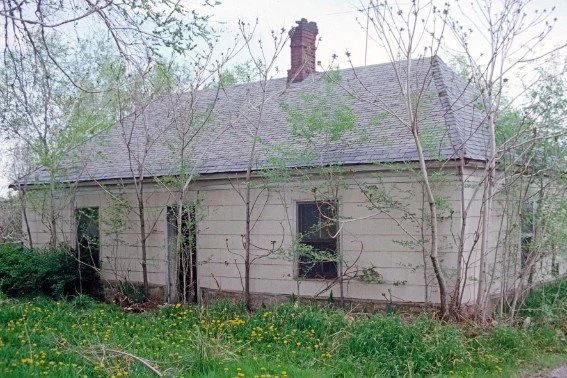
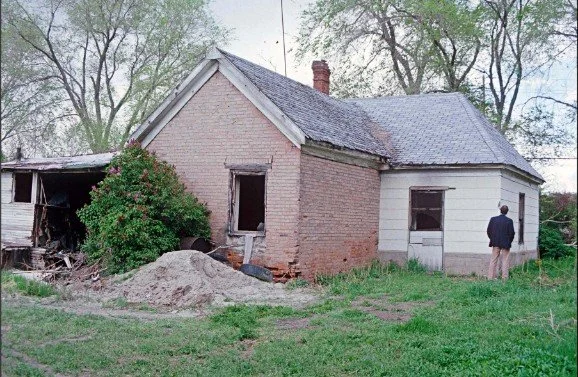
The old Brown home is gone now. Like many of the longtime homes along 3500 South, it was removed around 2014 as the area was redeveloped into the Thomasville Manor subdivision. New homes now stand where Lewis and Lucille once welcomed family, friends, and neighbors. Yet while the house has vanished, its story has not. The true foundation of that home was never its bricks or lumber—it was the kindness, service, faith, and love shared within its walls. Those are things no bulldozer can ever erase.