3672 South 5600 West: Built Stone by Stone: Preserving the Doxey Rock House Legacy
Before the Rock House Is Gone
Preserving a Piece of West Valley City’s Past
There is tremendous excitement about the new University of Utah hospital coming to West Valley City. This major investment will bring expanded medical care, emergency services, jobs, and opportunities directly into our community. It represents an important new chapter in West Valley City’s story.
But as we celebrate what is coming, we should also preserve what came before.
One of the properties being lost to this development is the historic Doxey “Rock House” at 3672 South 5600 West—a remarkable reminder of the rural community that existed here long before West Valley City was incorporated.
Built between approximately 1940 and 1942, the 1½-story home was constructed of cobblestone and mortar. Lawrence W. Doxey reportedly spent nearly ten years gathering the stones that would eventually become his home. The property grew into an entire farmstead, with a garage, woodshed, shop, stable, chicken coop, root cellar, springbox, outdoor stone kitchen/barbecue, and other structures. Many incorporated the same distinctive stonework.
These are more than old buildings and rocks. They tell the story of the people who lived here—people who farmed this land, raised families, worked with their hands, reused what they had, and helped create the community we inherited.
West Valley City has relatively few physical artifacts remaining from its earlier communities and agricultural past. Once a historic property like this is demolished, we cannot recreate its authenticity. What we fail to preserve now may simply be gone forever.
That is why we hope every reasonable effort can be made to document and salvage pieces of the Doxey property before demolition.
Original stones from the house and outbuildings, architectural features, doors, hardware, signs, tools, farm implements, pieces of the outdoor kitchen, photographs, documents, and other artifacts could someday help tell this story in a West Valley City museum or historical display. Even a section of original stonework could become a powerful exhibit when accompanied by photographs and the story of Lawrence Doxey spending years gathering those stones.
Imagine a future child standing in a West Valley City museum, touching one of the stones from this home and learning:
“A man gathered these stones nearly a century ago and built his family a home right here in West Valley.”
That connection cannot be reproduced with a photograph alone.
Progress inevitably changes communities. We are excited to welcome a major hospital that will serve generations of West Valley residents. But progress does not require us to erase every trace of the community that came before it.
The hospital will become part of West Valley City’s history.
The Doxey Rock House already is.
Before it disappears, we have an opportunity—and perhaps one of our last opportunities—to save pieces of this remarkable property so its story can continue to be told.
Buildings may have to come down. Their history does not have to disappear with them.

HELP US SAVE PIECES OF WEST VALLEY HISTORY
The historic Doxey Rock House at 3672 South 5600 West will be lost as the area makes way for the new University of Utah hospital.
While we may not be able to save the home, we CAN save pieces of its history.
Beautiful stained-glass windows, original stonework, architectural features, and other items from the home and property have the potential to be preserved rather than lost.
But what should be saved?
📱 SCAN THE QR CODE & VOTE!
Please take a few minutes to look at the items that could potentially be preserved and tell us which ones you believe are historically significant and most important to save.
Items rescued from the Doxey property could become part of a future West Valley City history museum, traveling historical displays, educational exhibits, and other projects that allow future generations to experience a piece of the community that came before them.
A stained-glass window is more than a window.
A stone is more than a stone.
When we know where they came from and whose hands placed them there, they become part of our story.
West Valley City has already lost much of the physical evidence of its early history. This is an opportunity to make sure that when another historic property disappears, its story doesn't disappear with it.
Please scan • Look • Vote • Help us preserve our history.
We can't save everything—but together, we can help decide what is worth saving.
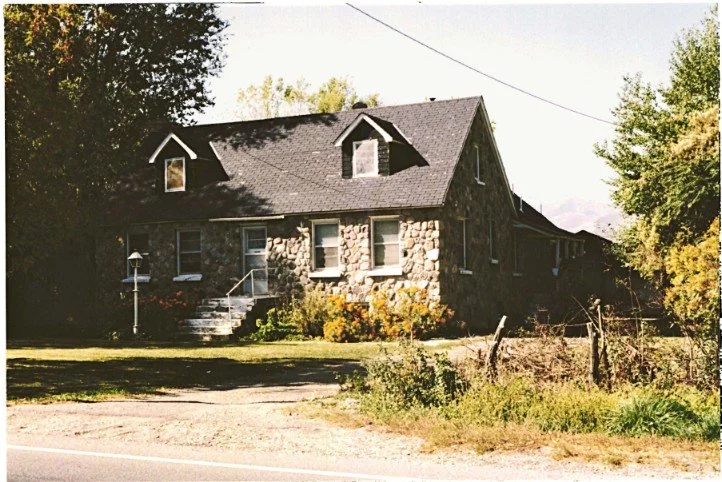
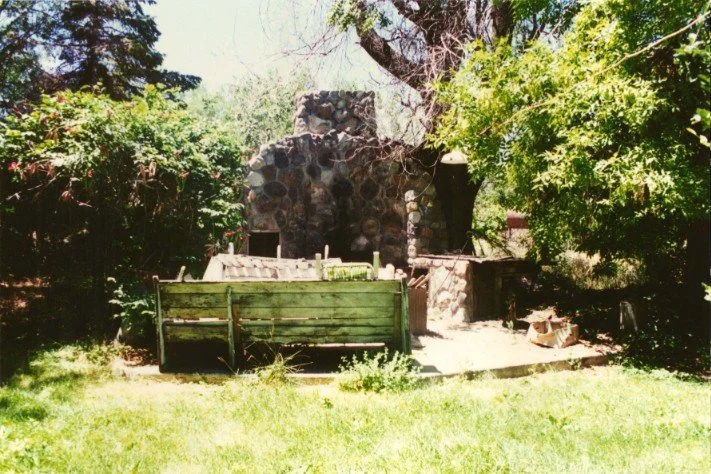
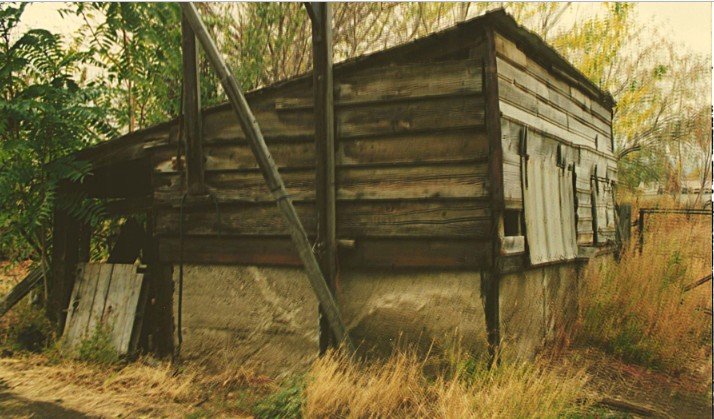
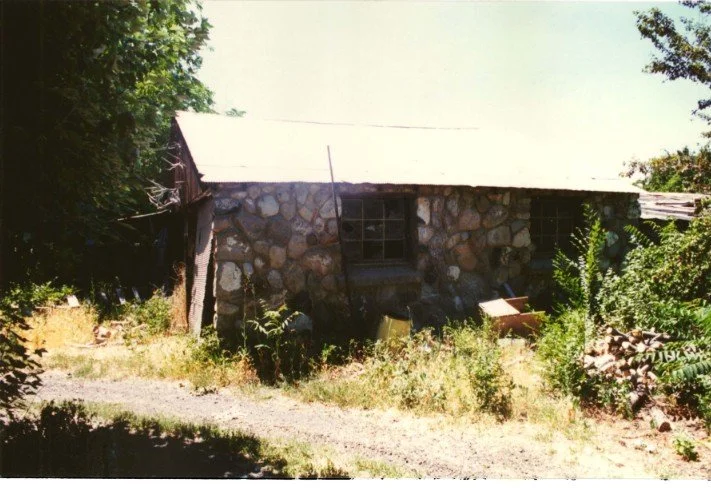

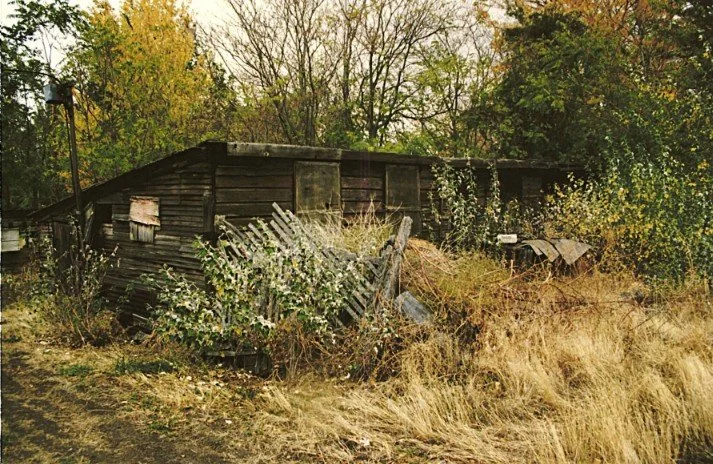
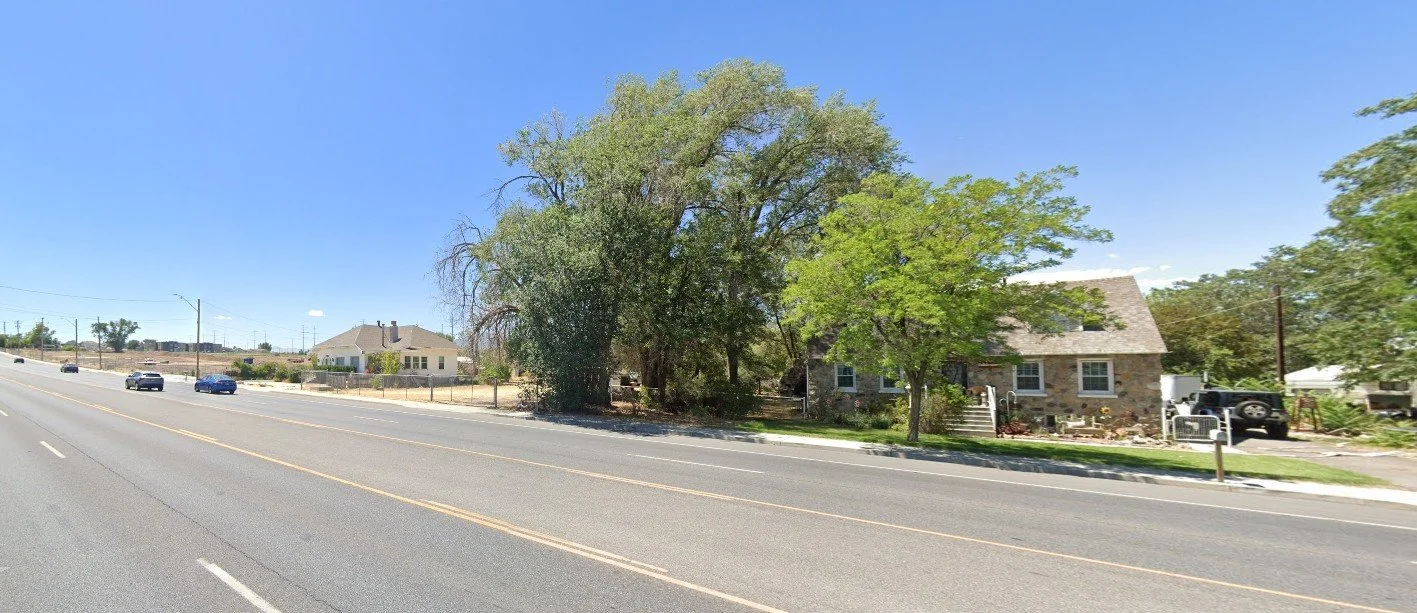
Home circ 2025. They are demo many neighboring homes to make way for the UofU Hospital